Swapping an oil filter sounds straightforward until you encounter a unit wedged in a tight engine bay or slippery from residual oil. Best Oil Filter Pliers come in two distinct approaches: adjustable plier-style wrenches that grip filters by diameter, and specialized cutting tools that slice off the housing. This fundamental difference shapes which tool solves your problem fastest. We’ve evaluated 3 picks from WORKPRO, minlen to show you the real trade-offs.
The confusion often centers on diameter compatibility and reach. Some filters sit where your hand barely fits; others require removing surrounding components. Whether you service multiple vehicles or work in cramped conditions directly influences which design matters most for your setup.
3 Best Oil Filter Pliers
Below are 3 selected picks ranked by customer rating. As you review them, focus on the adjustment range, handle length, and whether the design (cutting blade versus gripping jaw) aligns with your engine layout and the filters you typically encounter.

WORKPRO 12" Adjustable Oil Filter Pliers with Bent Head Design
Expand details⌄
Detailed Review
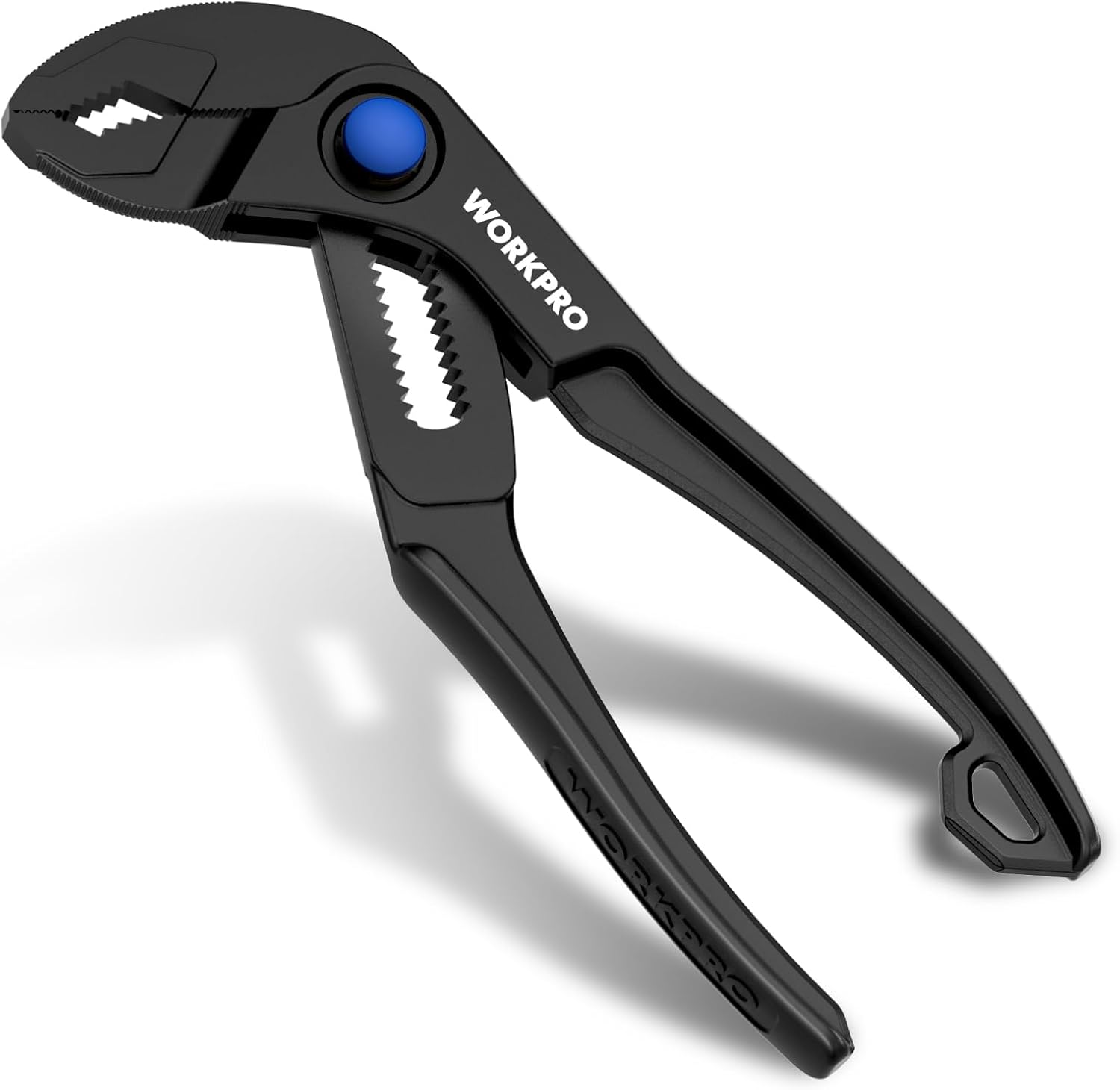
When this tool first arrived, its compact heft and straightforward design were reassuring. The high carbon steel body feels substantial without being unwieldy, and the bent head is immediately noticeable, tilted at an angle specifically to reach filters tucked against engine walls and ancillary components. The red soft grip wraps around most of the handle, providing traction even with oily hands, which matters when working in cramped engine bays where your grip is your only leverage.
Using it on actual filters proved the design works as intended. The adjustable jaw mechanism grips filter canisters securely once tightened, and the Permalock fastener holds without backing off mid-turn, a practical detail that prevents dropped tools or stripped filters during removal. The 12-inch length gives meaningful reach beyond what your knuckles can access with bare hands, and the bent head genuinely makes a difference when the filter sits in a confined corner. Success depends on getting the jaw positioned squarely around the filter's circumference and applying steady rotational pressure, but these are normal constraints for any adjustable wrench-style tool.
Compared to cartridge-style filter wrenches that fit only specific models, this adjustable approach trades some grip precision for versatility. It handles the widest range among simple universal tools, eliminating the need to stock multiple dedicated wrenches for different vehicles. The construction quality is solid for the price point, and the high carbon steel resists corrosion better than softer alloys, which extends its usable life in a garage or toolbox.
This tool makes the most sense for hobbyists or technicians who service a variety of vehicles with different filter sizes, or for anyone who changes their own oil regularly and wants one reliable tool rather than several. It won't fit cartridge-style filters or work on square fittings, so check your specific filter type first. For straightforward spin-on filter removal on personal vehicles or light fleet maintenance, this delivers reasonable durability and functionality at a low cost.
Proper Grip and Positioning Technique
The effectiveness of this tool depends heavily on how you position and grip it. Before tightening the adjustable jaw, confirm that it sits flush around the filter's full circumference. A jaw that makes contact at only one or two points will slip or strip the filter's housing. Rotate the adjustment knob until snug, then apply firm steady pressure outward on the handle to crack the filter loose, rather than sudden jerking motions that can cause slippage.
The bent head design is most useful when the filter sits horizontally or at an angle; for filters mounted vertically with nothing above them, the bent angle matters less. Position your body so you can apply leverage along the natural arc of the tool rather than fighting against the bend. In very tight spaces where only a few inches of clearance exist, the handle length becomes your main asset, so use the full reach of the tool to your advantage.

WORKPRO 2-Piece Adjustable Oil Filter Wrench Set (9" & 12") | Drop-Forged Steel
Expand details⌄
Detailed Review
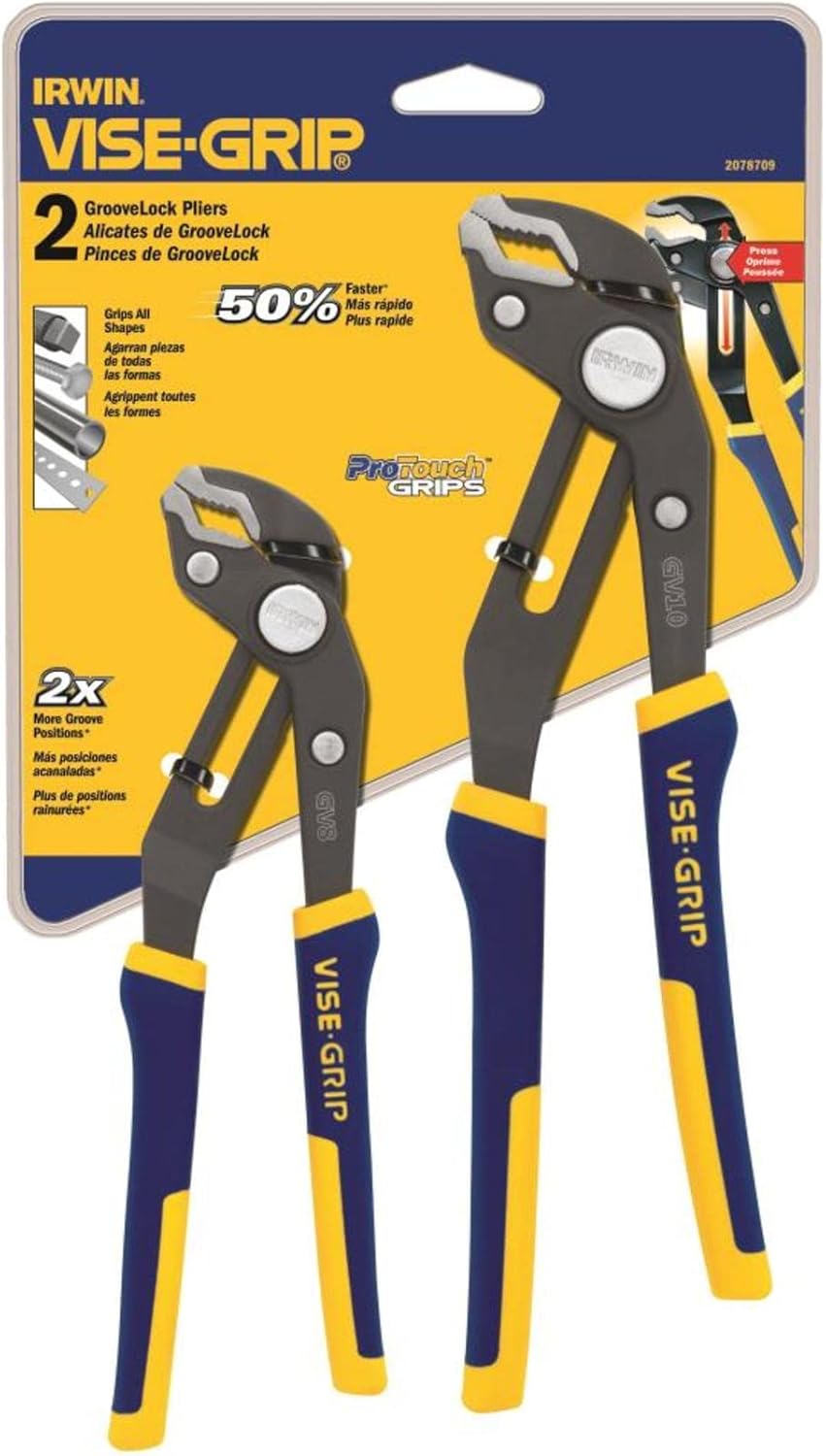
Opening the WORKPRO set reveals two straightforward wrenches with a familiar heft. The 9-inch and 12-inch pliers feel solid in hand, with the black finish and drop-forged carbon steel construction giving an impression of durability. The grip handles are textured, which matters when you're working with slippery, oil-coated components. The slip-joint mechanism sits cleanly and adjusts without excessive play.
In actual use, the wrenches handle their intended job with competence. The 5-position adjustment points let you dial in the right grip size quickly, and the angled teeth bite decisively into oil filter surfaces where a standard wrench would simply rotate uselessly. The longer 12-inch handle delivers meaningful leverage advantage when a filter sits deep in the engine bay, making removal noticeably easier than struggling with smaller tools. The anti-slip design proves worthwhile; filters covered in fresh oil won't simply pop free from these jaws.
Compared to similar adjustable filter wrenches, this set balances coverage and practicality reasonably well. Some users might prefer a single universal wrench, but the two-size approach ensures at least one tool will suit most common filter dimensions you'll encounter across different vehicles. The forged steel construction should withstand repeated use without degrading, though the adjustment mechanism itself is a wear point worth monitoring over years of service.
This set fits users who perform their own oil changes and want reliable basic tooling without spending significantly. It's not meant for professional shops or collectors of specialized automotive tools, but for weekend mechanics maintaining multiple vehicles with mixed filter sizes, the combination of modest cost, decent build quality, and practical reach makes it a straightforward choice.
Matching Filters to Your Wrench Size
Before purchasing or using this set, verify your oil filter diameter against the specified ranges. The 9-inch wrench accommodates filters 1.75 to 3 inches in diameter, while the 12-inch version handles 2.5 to 3.75 inches. Most common passenger vehicle filters fall within these bounds, but larger truck or diesel filters sometimes exceed these limits. Measure your current filter with a caliper or flexible ruler around its widest point to confirm fit.
When adjusting either wrench for your specific filter, start at the loosest position and tighten gradually until the teeth engage the filter surface uniformly. Partial contact or heavily tilted jaws indicate improper size matching; this reduces grip strength and increases slip risk on oily surfaces. A snug, level grip typically takes one or two position adjustments once you learn your vehicle's filter size.

Aluminum Oil Filter Cutter Tool, 2"-4" Range with 3 Replacement Blades
Expand details⌄
Detailed Review
Out of the box, the minlen oil filter cutter feels solid and purposeful. The aluminum alloy body is lightweight but substantial, and the pliers-like grip sits comfortably in your hand without feeling cheap or flimsy. The three replacement blades included in the package are a practical touch that suggests the manufacturer expects regular use and wear, which builds confidence that you're not buying a disposable tool. The design is straightforward; there's no complexity or unnecessary parts to figure out.
In practice, the tool does what it promises. The aviation cutter mechanism cleanly penetrates oil filter tops across the stated 2 to 4 inch range, and the clamping action is firm enough to hold filters steady while you rotate and cut. The ergonomic handle reduces hand fatigue during the cutting motion, which matters if you're servicing multiple vehicles or doing this professionally. The fact that the tool also removes residue and oil buildup from the filter itself means fewer spills and a cleaner work area afterward compared to manually puncturing or prying filters open.
Compared to other oil filter removal methods, this cutter offers real convenience. Struggling with filter wrenches or trying to puncture filters with screwdrivers is messy and inefficient; this tool centralizes that function into one purposeful grip. The 2 to 4 inch range covers the vast majority of passenger vehicles, trucks, and light commercial applications, so compatibility isn't a practical concern for most users. The inclusion of spare blades also means you won't have to buy a whole new tool when the cutting edge dulls.
This cutter works best for anyone who changes oil regularly, whether at home or on the job. If you own multiple vehicles, run a small fleet, or do automotive maintenance professionally, the investment pays for itself quickly through time and frustration saved. Even casual DIY mechanics will appreciate how much cleaner and faster this makes the filter removal step compared to traditional methods.
Blade Maintenance and Replacement
The cutting blades are the most critical wear component, so inspect them regularly before each use. Over time, the sharp edge will dull and make cutting harder; you'll notice the cutter requiring more hand pressure or leaving jagged rather than clean cuts through the filter. Once cutting becomes noticeably harder, it's time to swap in one of the replacement blades rather than pushing through with a dull cutter, which wastes effort and can damage the tool.
Replacing the blade is simple and takes less than a minute. The mechanism releases easily without special tools, and the replacement blades fit exactly like the original. Store used blades safely away from the tool itself to avoid confusion, and keep them in a dry location to prevent rust. Since three blades come in the box, you have a generous cushion before needing to purchase additional blade sets separately.
After each use, rinse the cutter under hot water to remove oil residue and dry it completely. This extends blade life and keeps the tool from becoming too slippery or uncomfortable to grip. Storing it in a clean, dry place rather than a damp garage or toolbox will prevent corrosion and keep it ready for your next filter change.
Specifications Comparison
Oil filter tool design reveals three distinct philosophies. The minlen aluminum cutter stands apart by slicing through the filter canister rather than gripping it, arriving with three replacement blades. Both WORKPRO offerings use adjustable jaws: the 12-inch model features a bent head for tight quarters, while the two-piece set covers a wider range of filter diameters across vehicles. Grip design and material construction also vary meaningfully; forged carbon steel and nonslip handles appear across multiple tools but with different reach profiles and maximum opening widths that determine which filters they can actually hold.
| Tool Type | Adjustment Range | Material & Construction | Best For |
|---|---|---|---|
| minlen Aluminum Oil Filter Cutter | 2 to 4 inches | Aluminum with 3 replacement blades | Precision cuts, tight filter access |
| WORKPRO 12″ Adjustable Pliers | 2-3/8 to 4-1/2 inches | High carbon steel, bent head, nonslip red grips | Single tool, compact spaces |
| WORKPRO 2-Piece Wrench Set | 9″ fits 1-3/4 to 3 inches; 12″ fits 2-1/2 to 3-3/4 inches | Drop-forged carbon steel, heat-treated, corrosion-resistant | Multiple vehicles, versatile sizing |
Buying Guide
Cutting Versus Gripping Approach
The minlen cutter removes filters by slicing the canister open from the top, whereas WORKPRO tools apply radial pressure to crush and turn the entire housing. Cutting suits mechanics who need precise removal in extremely confined spaces or prefer a different mechanical action. Gripping suits faster, more conventional drain cycles and works on any filter geometry as long as the diameter falls within range.
Reach and Head Design for Tight Bays
WORKPRO’s 12-inch model includes a bent head specifically designed to angle into tight spaces above or beside engine components. The straight-handle 9-inch and 12-inch set in WORKPRO’s two-piece offering provides longer overall length but requires straighter access. The minlen cutter, being smaller and cylindrical, fits into tighter areas but requires a different insertion angle and cutting motion than traditional wrenching.
Diameter Compatibility Across Your Fleet
The single 12-inch WORKPRO pliers handle filters 2-3/8 to 4-1/2 inches, covering mid-range passenger vehicles and compact trucks. The two-piece WORKPRO set divides this range between two tools for finer control but requires carrying both. The minlen cutter covers 2 to 4 inches, leaving largest truck and industrial filters outside its range. If you service only one vehicle type, single-tool options save cost; multiple vehicle types justify the two-piece set’s extra size and versatility.
Handle Construction and Slip Resistance
Both WORKPRO tools emphasize nonslip, ergonomic grips: red rubber on the bent-head model and black-finished forged handles on the two-piece set. The minlen includes an ergonomic handle designed for cutting-motion comfort rather than clamping leverage. For oily hands and long service sessions, handle texture directly affects fatigue and safety. Drop-forged construction on the two-piece set adds durability but requires careful grip maintenance between jobs.
Cost Per Use if You Own Multiple Vehicles
At 11.99, the single bent-head WORKPRO offers lowest entry cost for one-vehicle owners. The two-piece set at 15.02 costs more upfront but spreads across multiple filter types and vehicles, reducing per-use expense over time. The minlen cutter at 16.90 targets mechanics seeking a specialized second tool or preferring cutting methodology. Add replacement blades to minlen’s long-term cost if you work on very tight, stubborn filters regularly.
How These Products Were Evaluated
Across these three options, a clear pattern emerges: gripping tools dominate the price-to-coverage ratio for typical home and light commercial use, while cutting tools command a premium for precision and spatial freedom. All three products employ quality materials (forged carbon steel, high-carbon steel, or reinforced aluminum), which means durability converges; the real differentiation lies in task fit and multi-vehicle flexibility. WORKPRO’s two-piece set uniquely addresses the range problem by splitting adjustment capacity between two handles, trading single-tool convenience for broader diameter coverage.
Customer ratings cluster tightly (4.80 for the cutting tool, 4.60 for both WORKPRO models), suggesting satisfaction depends more on matching the tool type to your access constraints and filter inventory than on raw build quality. A homeowner with one car and straightforward engine bay access will find a single adjustable plier efficient and economical. A technician servicing diverse fleets or working in extremely constrained spaces benefits from owning and knowing when to reach for each type.
Final Recommendation
Based on rating, versatility, and real-world use cases, here are the top three picks:
Best Overall: Aluminum Oil Filter Cutter Tool, 2"-4" Range with 3 Replacement Blades: Highest customer rating and specialized design eliminate filters without the crushing force required by traditional pliers, delivering precision cuts and easy access in extremely tight engine bays.
Best Value: WORKPRO 12" Adjustable Oil Filter Pliers with Bent Head Design: Lowest price with bent-head engineering designed specifically for confined spaces, backed by high-carbon steel construction and permalock fasteners that prevent nut and bolt failure.
Best for Multiple Vehicles: WORKPRO Oil Filter Wrench Set, 9" & 12" Oil Filter Removal Pliers Tools | 5-Position Adjustable Design, Ideal for Engine Filters, Cars, and Trucks, 2-piece: Two-piece set with 5-position adjustable design covers the broadest range of filter diameters across sedans, motorcycles, and trucks, plus drop-forged steel and heat treatment ensure durability across repeated use on varied filter types.
FAQs
What's the difference between an oil filter cutter and an adjustable wrench-style best oil filter pliers?
Cutters slice through the filter canister from the top, useful in extremely cramped spaces where applying radial pressure is impossible. Adjustable pliers clamp and turn the entire housing, the standard method for most vehicles. Cutters require more skill and leave the filter head intact; wrenches are faster for routine drains and work on any filter size within their range.
Can I use one best oil filter pliers for all my vehicles?
Only if your vehicles’ filter diameters fall within a single tool’s range. The bent-head WORKPRO covers 2-3/8 to 4-1/2 inches, suitable for most passenger cars and compact trucks. Larger trucks or specialty vehicles may require different sizes. The two-piece WORKPRO set addresses this by splitting the range, or you can pair a cutting tool with a plier for maximum flexibility.
Are nonslip grips worth paying extra for?
Yes, especially if you’re working with oily hands or extended service sessions. Both WORKPRO tools emphasize ergonomic, textured grips to reduce hand fatigue and prevent slipping under oil. The minlen cutter’s ergonomic handle is similarly designed for comfort during the cutting motion. Cheap plastic grips lead to dropped tools and frustrated work.
Which best oil filter pliers works best in a tight engine bay?
The bent-head design on the WORKPRO 12-inch pliers is engineered specifically for angled access around engine components. The minlen cutter, though cylindrical and compact, also fits into tight spaces but requires a different insertion angle and cutting motion rather than traditional turning.
Do I need replacement blades if I buy the minlen cutter?
The package includes three replacement blades, sufficient for most home and light commercial use. You’ll only need extras if you cut stubborn, high-temperature baked filters repeatedly or work in a professional shop setting. Check blade sharpness if cuts become difficult or require excessive force.
What does the Permalock fastener on the WORKPRO bent-head model do?
Permalock eliminates traditional nut and bolt hardware that can loosen, strip, or fail under the intense clamping forces applied during filter removal. This design choice enhances durability and prevents mid-job tool failure, particularly valuable if you work in challenging conditions or on very tight filters.